
Beyond Flying Cars: Why Mobility Regulation Needs to Become Adaptive
The Expert Room | Continuing the Conversation with Jiggar Goyal, Kearney
The future of mobility will not be defined by a single technology.
Our latest Expert Room – Special Edition, Flying Cars, Grounded Realities, explored why certification alone may not be enough to make airborne mobility viable, highlighting the importance of public acceptance, urban integration and infrastructure.
But this raises a broader question: as new mobility technologies emerge, how can regulation evolve to keep pace with innovation?
To continue the conversation, we invited Jiggar Goyal, Senior Principal in Kearney India’s Automotive, Transportation & Infrastructure practice, to share his perspective on why mobility regulation needs to become more adaptive.
Expert Perspective
By Jiggar Goyal, Sr. Principal, Kearney India, Automotive, Transportation & Infrastructure
Innovation moves faster than regulation
“Innovation in mobility will continue to move faster than regulation can be written. The answer is not to regulate each new technology in isolation, but to build an adaptive, risk-based framework that can evolve with it.”
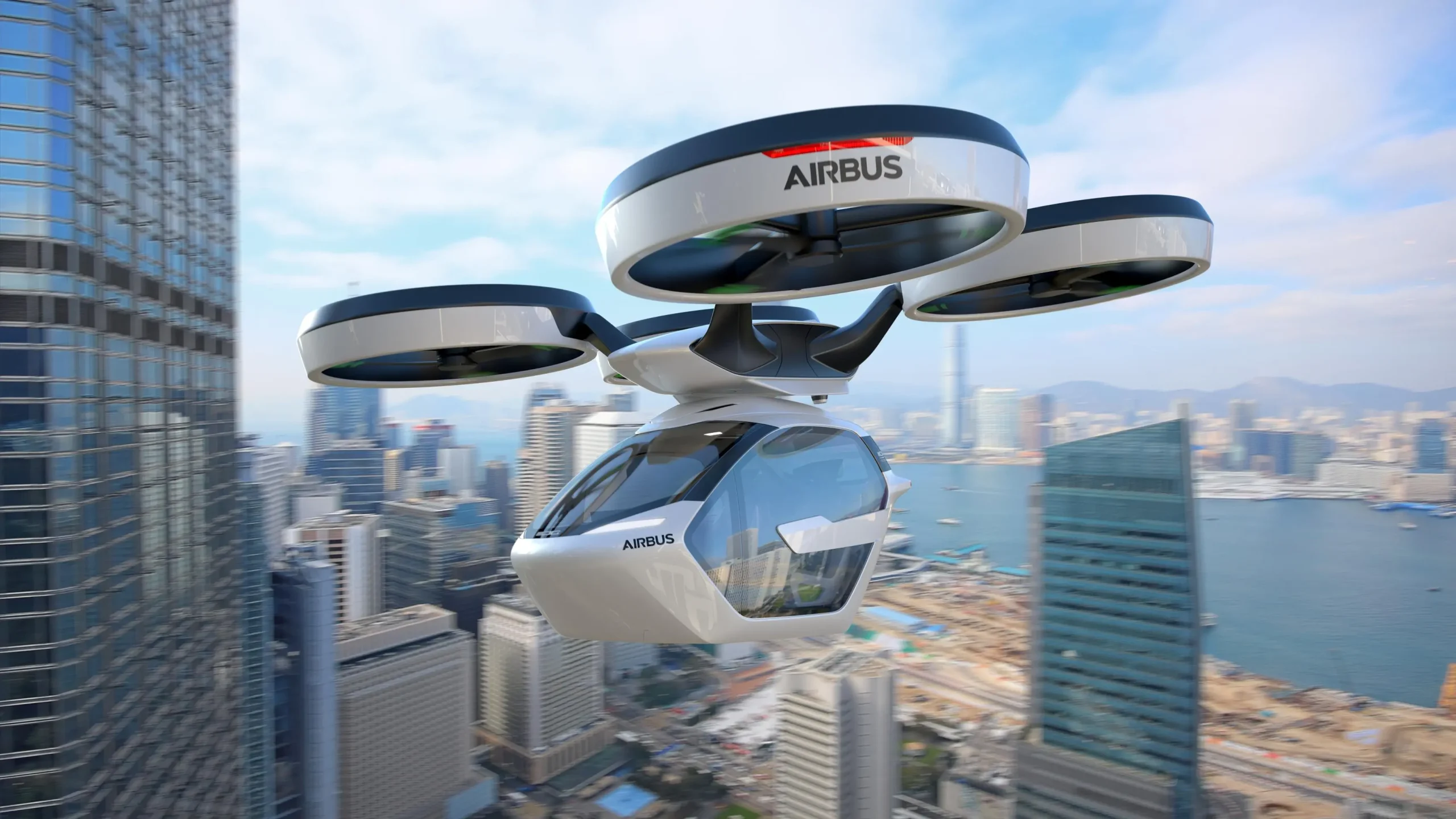
Build adaptive, risk-based frameworks
“This means planning for a broader aerial mobility ecosystem, from passenger specific flying cars and water aerodromes to mass transport like urban ropeways. These modes have different operating requirements, but all call for clear safety standards, robust testing and certification, coordinated airspace and movement rules, regular inspections, and defined accountability and penalties.
A central framework is essential as new aerial assets are planned across agencies and locations, often in silos.”
Green Minds Closing Perspective
The conversation continues.
The emergence of new mobility models raises questions that extend beyond technology itself, touching regulation, infrastructure, safety, governance and implementation.
Through The Expert Room by Green Minds, we bring together perspectives from industry leaders to examine how these developments could reshape industries and markets.
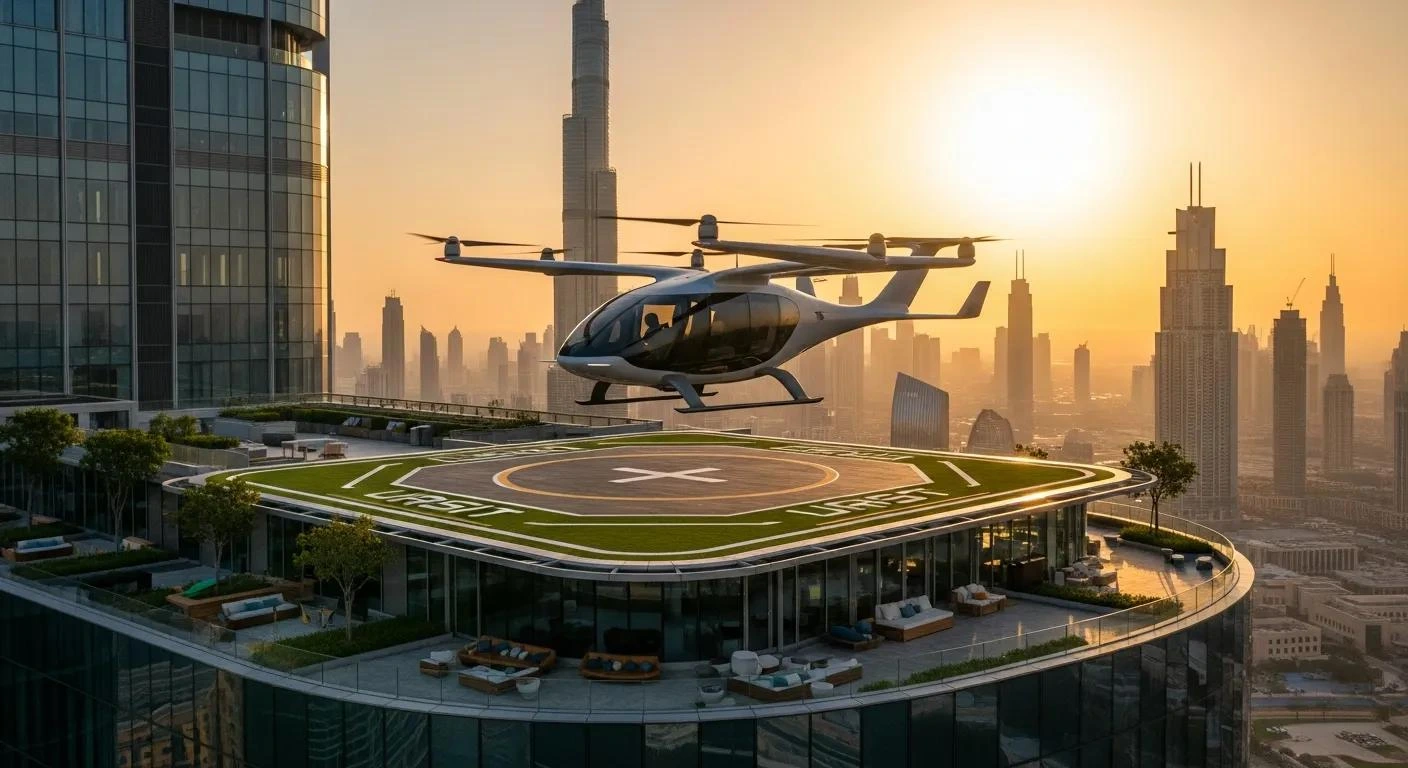
Part 1: Flying Cars, Grounded Realities
On 15 October 2026, Tesla demonstrated its redesigned Roadster in Texas, using SpaceX-developed thrusters for brief airborne manoeuvres. The spectacle has reignited the flying-car debate but demonstrating an airborne stunt is not the same as establishing a practical mode of transport.