
Flying Cars, Grounded Realities
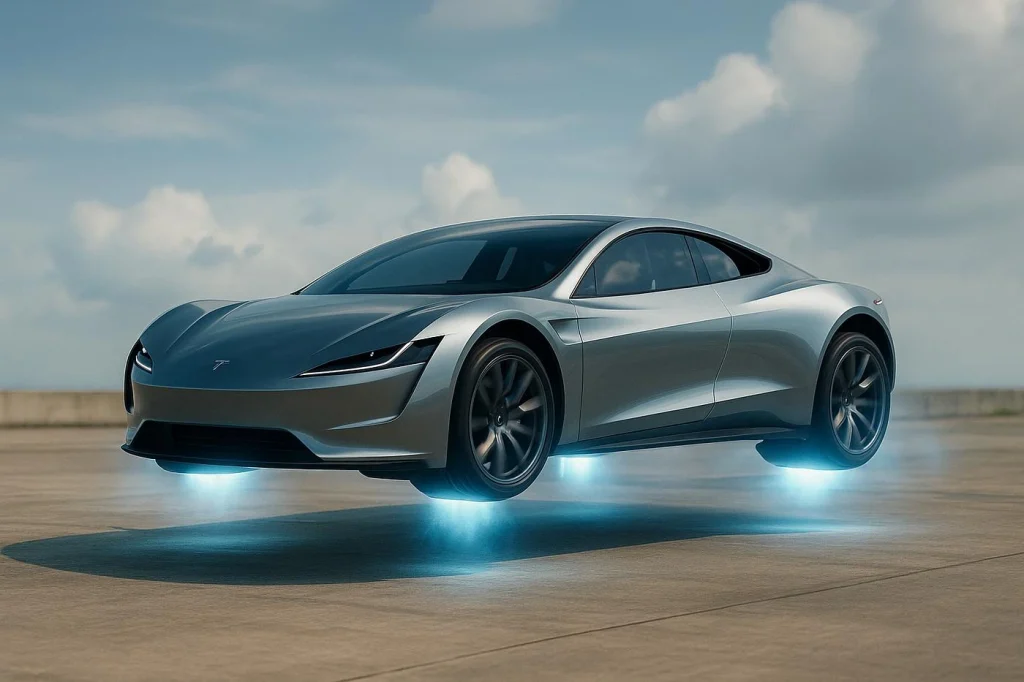
On 15 October 2026, Tesla demonstrated its redesigned Roadster in Texas, using SpaceX-developed thrusters for brief airborne manoeuvres. The spectacle has reignited the flying-car debate but demonstrating an airborne stunt is not the same as establishing a practical mode of transport.
This week, Green Minds’ Expert Room asks: is certification the main obstacle to practical airborne mobility, or are public acceptance and urban integration the greater challenges? In this special edition, we explore that question with El Housseine Belmahjoubi, Director, Transport & Logistics at PwC Middle East.
Expert Perspective
By El Housseine Belmahjoubi, Director, Transport & Logistics at PwC Middle East
Regulators will catch up with flying cars.
Your neighbors won’t. And neither will the laws of traffic.
The question assumes the vehicle is the bottleneck. It isn’t. The FAA finalised its powered-lift rules in 2024. China certified a pilotless passenger eVTOL in 31 months and rewrote its aviation law to manage airspace below 300 metres. Dubai built a framework on FAA standards and is launching air taxis. Certifying a flying machine is a solved problem, and on certification, regulation has kept pace.
What it hasn’t caught up with are two things no certificate can fix.
1. People change their minds after the demo
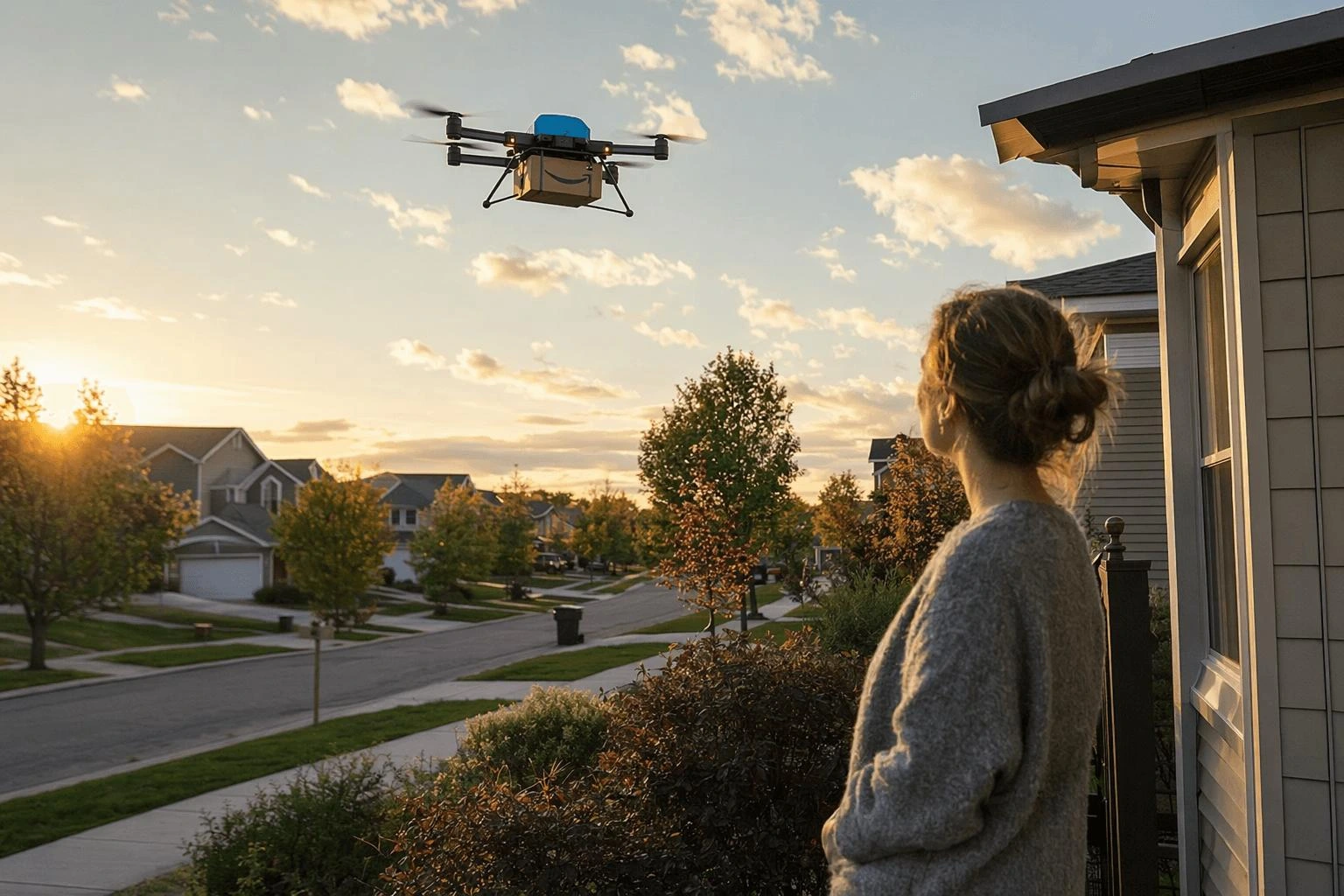
Amazon’s drone-delivery trial in College Station, Texas, is the cautionary tale. Residents welcomed it in 2022. By 2024 they were organizing against it: noise at take-off and landing, overflights, fear of falling property values. The city measured the drones at 47–61 decibels, roughly a conversation. The FAA dismissed the complaints. Amazon deployed a quieter drone. None of it mattered. Amazon left in August 2025.
The regulator said yes. The neighborhood said no. The neighborhood won.
Now scale that from a 25 kg parcel drone to a 2-ton aircraft, from one depot to a network of rooftop vertiports, from 200 flights a day to thousands. Acceptance, not airworthiness, is the constraint.
2. New capacity doesn’t cut congestion - It relocates it
In 1992, Anthony Downs described “triple convergence”: widen a highway and drivers converge on it from other routes, other hours and other modes until peak-hour speed is back where it started. Duranton and Turner later tested it across US cities and found traffic rises one-for-one with road capacity. More roads don’t relieve congestion. More transit doesn’t either. Only pricing does.
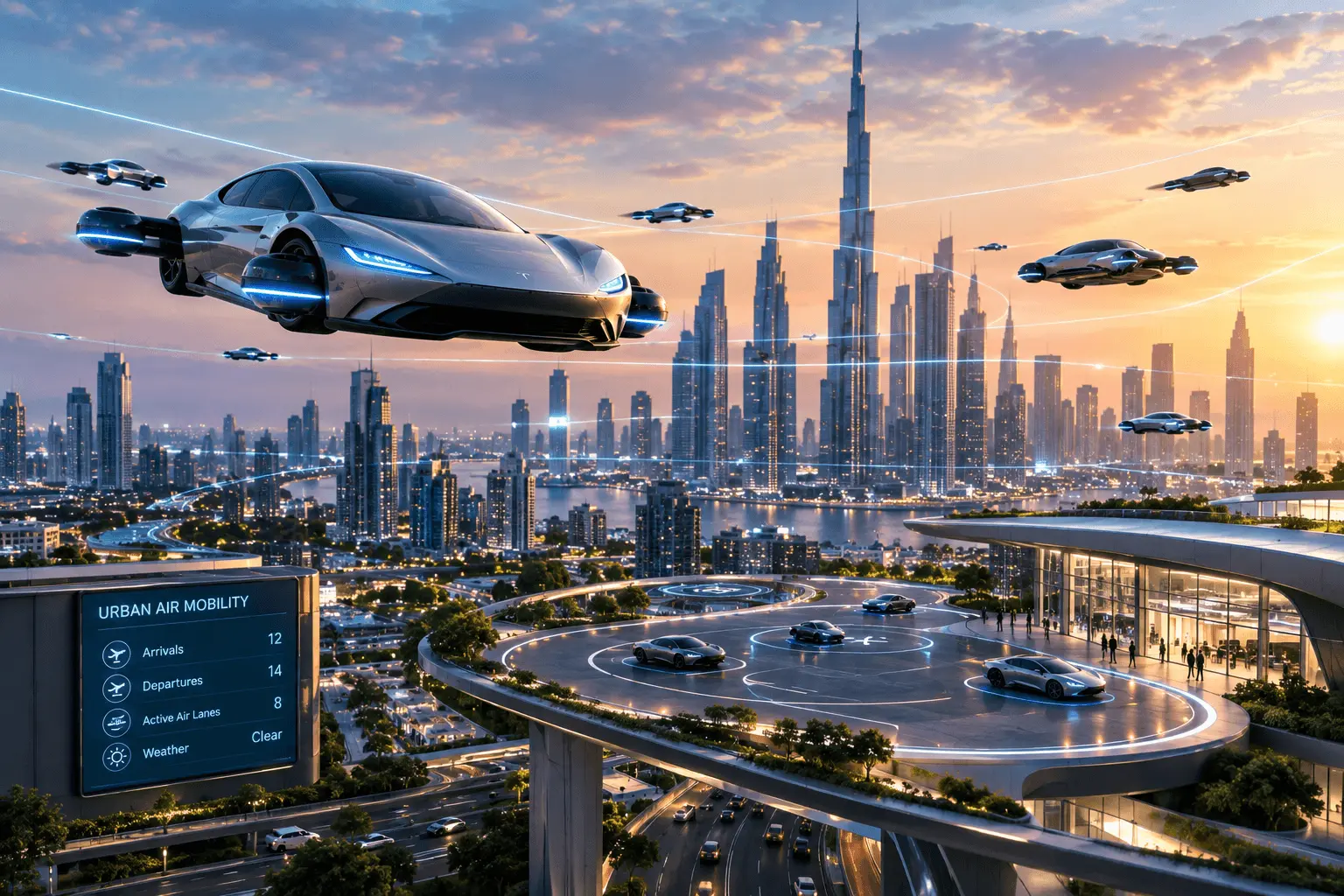
A third dimension is just more capacity. The first air taxis will be fast because the sky is empty. The hundredth vertiport will be a rooftop queue feeding a ground-level one.
Flying cars will not end traffic jams. They will give us a second layer of them, with a view.
So what should change in regulation? Not the speed of certification – The object of it:
- Treat low-altitude airspace as a priced, zoned commons from day one: corridor slots, noise budgets, vertiport caps. If the sky is free, it fills.
- Give one authority per city the mandate over corridors, vertiport siting, noise and grid access. Today that sits across aviation regulators, transport authorities and municipalities, and the gap is where community opposition grows.
- Write the handoff rule for dual-mode vehicles now: the moment a car becomes an aircraft, road liability stops and aviation liability starts.
We regulated the car for eighty years before we regulated the space it consumes. We should not make the same mistake twice, in the air.
As for the Tesla Roadster: a car that jumps is a stunt, not a mode of transport. Regulators should resist building a category around it.
Green Minds Closing Perspective
El Housseine’s argument brings an important dimension to the flying-car debate. The challenge may not simply be getting the technology into the air. The greater test could be integrating it into cities, communities and transport systems already competing for space, infrastructure and public acceptance.
As urban mobility evolves, technical feasibility alone will not determine whether a new mode of transport succeeds at scale. Regulation, infrastructure, economics and, critically, the people living beneath these new mobility networks will all be part of that equation.
That is precisely what Green Minds’ Expert Room aims to explore: perspectives that challenge the obvious question, introduce a different way of looking at an emerging issue, and bring expert thinking into conversations shaping the future.
Part 2: Continuing the Conversation with Jiggar Goyal, Kearney
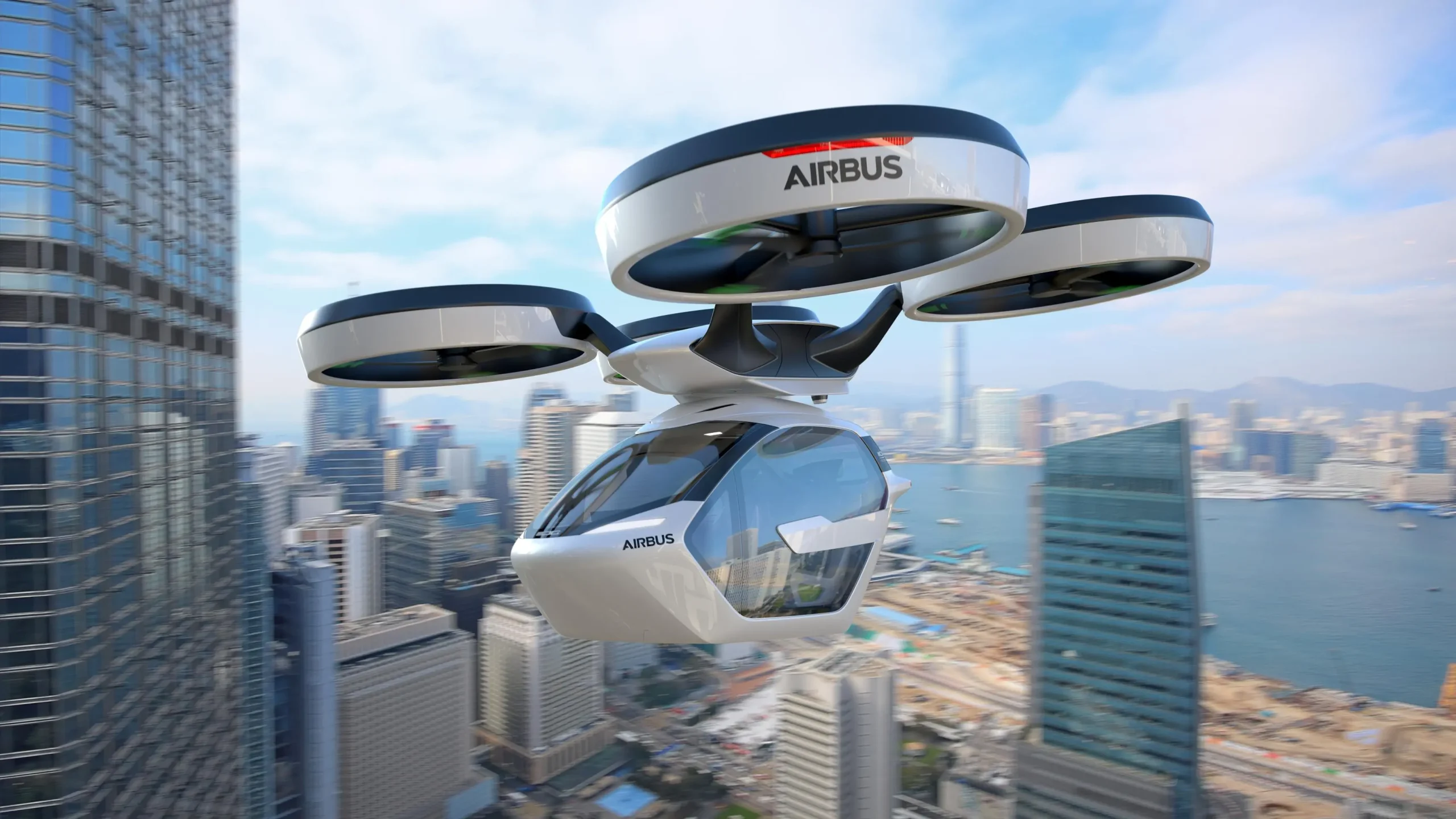
In our recent Expert Room edition, Flying Cars, Grounded Realities, El Housseine Belmahjoubi explored why certification alone may not be enough to make airborne mobility viable, highlighting the importance of public acceptance, urban integration and infrastructure.
But this raises a broader question: as new mobility technologies emerge, how can regulation evolve to keep pace with innovation?