
GLP-1s Beyond Weight Loss: Potential Impact and Barriers to Adoption in MENA
By Kinza T. & Zarnab Fayyaz
Following the University of Maryland, Baltimore’s recent piece, “GLP-1s Beyond Weight Loss,” growing interest in GLP-1 medications has brought their potential benefits and limitations into focus.
As research explores applications beyond weight management and type 2 diabetes, the central question is how clinical potential translates into patient benefit – and how treatment risks, affordability, and access may limit that impact.
In this edition of The Expert Room by Green Minds, three contributors offer perspectives on the opportunities, challenges, and evolving role of GLP-1s beyond weight management. Featuring key opinion leaders and healthcare industry experts across the Middle East and North Africa (MENA), the discussion presents individual viewpoints rather than a representative regional assessment.

Diabetes and obesity: Clinical impact, tolerability, and affordability
Ahmed Adel
Endocrinologist, Prince Sultan Armed Forces Hospital
Ahmed highlights the impact of GLP-1 agonists in managing type 2 diabetes and obesity, as well as their potential influence on related health conditions. He also points to side effects and affordability as barriers to wider adoption.
“Regarding GLP-1 agonists, these medications are marvellous and have a great impact in managing DM mainly type 2 and obesity with subseqeunt influence on co morbidities like MASH COPD etc. The main issue is its side effects mainly GI upset. Moreover, its affordability for people with no insurance”
His perspective highlights the importance of treatment tolerability and affordability in ensuring patients can access these medications.
Behavioural perspectives: Misconceptions and payer restrictions
Mete Saylan
Associate Professor, Holy Savior Armenian Hospital | Psychiatrist | Pharmaceutical Industry Expert
Mete offers a behavioral health perspective on where GLP-1s could have an impact, while identifying misconceptions and payer restrictions as important barriers to adoption.
“GLP-1* greatest impact is for changing consumptive behaviour under anxiety. The most important limit for their adoption is the wrong beliefs about this class and access restrictions by payers.”
His perspective highlights how perceptions of GLP-1 medications and restrictions on coverage can influence their adoption and accessibility.

Diabetes-related complications: Cardiovascular and kidney considerations
Dr. Hazem Rayyan
Consultant Endocrinologist, King Salman Armed Forces Hospital | Advisory Member in Multiple Medical Companies
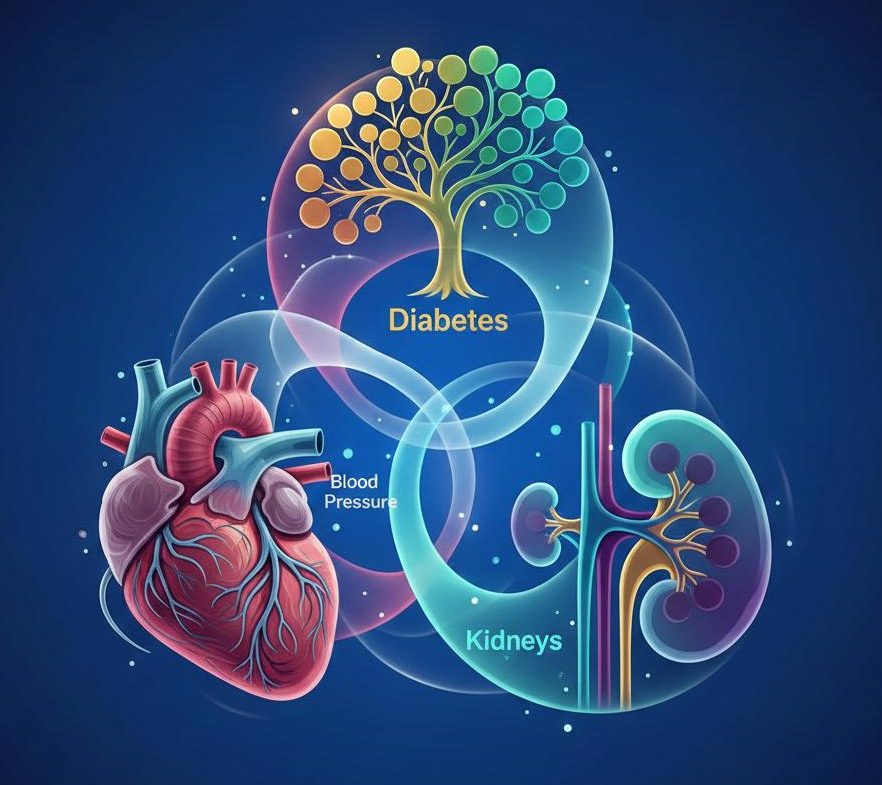
Dr. Hazem’s comments connect the potential role of GLP-1 therapies in type 2 diabetes with cardiovascular and kidney complications, while acknowledging contraindications and treatment tolerability. His statement about use in all patients with type 2 diabetes is his individual clinical opinion, not a treatment recommendation from this article.
“ GLP1A is very important for patients with type 2 DM, impacting cardiovascular and kidney disease due to diabetes. It prevents complications, preserves B cells, improves insulin resistance, plus weight reduction.
All patients with type 2 DM should be on GLP1A unless there is a contraindication, like hypersensitivity and C-cell medullary CA, or they are not tolerating side effects like GI.”
His perspective reinforces the potential role of GLP-1 therapies in addressing complications associated with type 2 diabetes, while recognizing the importance of contraindications and treatment tolerability.
The Green Minds Take
Across the three perspectives, one message stands out: GLP-1s offer promising benefits, but access and tolerability remain important challenges.
GLP-1s offer potential beyond weight management, particularly in diabetes, obesity, and related complications. However, side effects, affordability, and misconceptions can affect their adoption and accessibility.
The takeaway? Their broader impact will depend not only on clinical progress, but also on making these treatments more accessible to the people who need them.